The breeding of exotic insects is gaining popularity for its fascinating diversity and potential role in future ecosystems. Enthusiasts of these creatures must master specific conditions to ensure healthy growth and a conducive environment for the well-being of their charges. Temperature, humidity, diet, and living space are all key factors. Breeders must also comply with often strict regulations to protect native biodiversity and avoid environmental risks. Consulting with experts and integrating into a community of breeders can prove invaluable for succeeding in this complex yet rewarding passion.
The fundamentals of breeding exotic insects
Breeding stick insects, an exciting and enriching activity, requires unwavering patience and delicacy. These often-overlooked insects, such as the leaf insect, offer unique beauty and behavioral complexity that captivate insect enthusiasts. When starting an insect breeding venture, understanding the specifics of each stick insect species becomes paramount. These creatures, belonging to the Phasmatidae family, require very particular living conditions that must be carefully mimicked to ensure optimal development.
The passion for insects drives many enthusiasts to embark on stick insect breeding. They find in this practice a way to closely observe the majesty and strange beauty of these beings. For stick insect species, the market offers a variety of options, allowing breeders to choose specimens with diverse shapes and colors. Select your species wisely, as each has specific requirements regarding food, habitat, and climatic conditions.
Insect enthusiasts are particularly interested in the reproduction of stick insects, a delicate process requiring constant attention and care. The eggs of stick insects, laid with care, embody the fragility and longevity of these species. They must be kept in controlled humidity conditions to ensure their hatching. Breeders must therefore arm themselves with knowledge and techniques to ensure the survival and prosperity of their colonies. Take the time to consult specialists and immerse yourself in breeder communities to share experiences and advice.
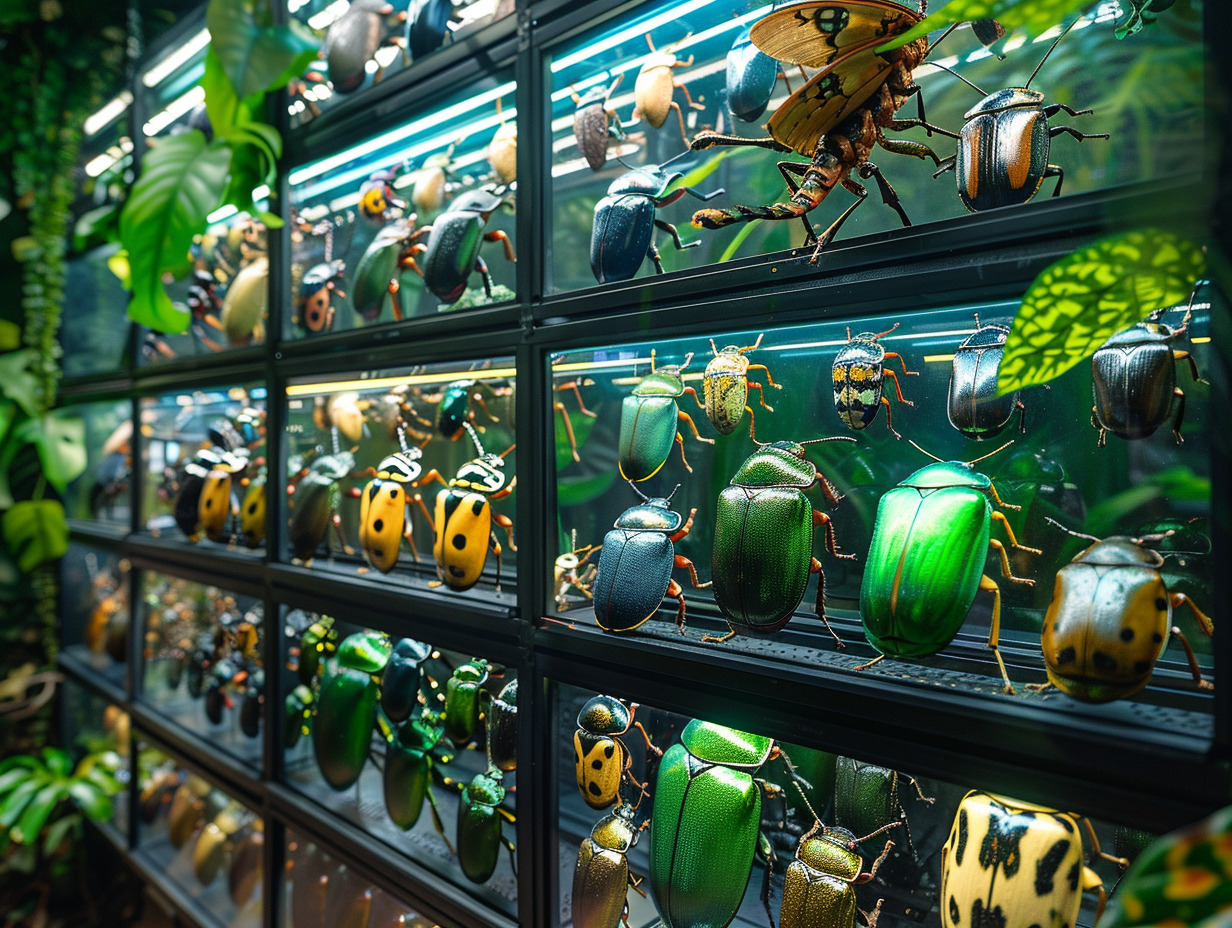
Best practices for the health and well-being of insects
Design an appropriate terrarium: The habitat of stick insects, often arboreal animals, must be carefully designed. The terrarium, a miniature ecosystem, simulates their natural environment. Ensure it is spacious enough to allow these insects to move easily, climb, and hide, thus reproducing their behavior in the wild. An adequate substrate, such as vermiculite, promotes egg-laying and maintains the necessary humidity for the survival of stick insect eggs.
Feed them properly: Stick insects primarily feed on fresh leaves from specific trees. Identify the preferred plant species of your varieties and provide a rich and varied diet. Fresh branches and leaves should be available at all times in the terrarium to meet their dietary needs. Consider the nutritional quality of the plants offered to ensure healthy growth and successful reproduction.
Master environmental parameters: Temperature and humidity play a fundamental role in the well-being of stick insects. These parameters must be precisely adjusted to reflect the conditions of their native habitat. Fluctuations in these variables can also stimulate the reproduction of stick insects. Controlled humidity is essential for the protection and proper development of the eggs, which must remain moist until hatching.
Monitor the health of your stick insects: Careful observation of your insects is crucial to detect any signs of disease or stress. Abnormal behaviors or high egg mortality may indicate environmental issues or nutritional deficiencies. Take immediate action to rectify any failing living conditions and consult specialists if in doubt. The prosperity of your breeding depends on this constant commitment to the health and well-being of your stick insects.