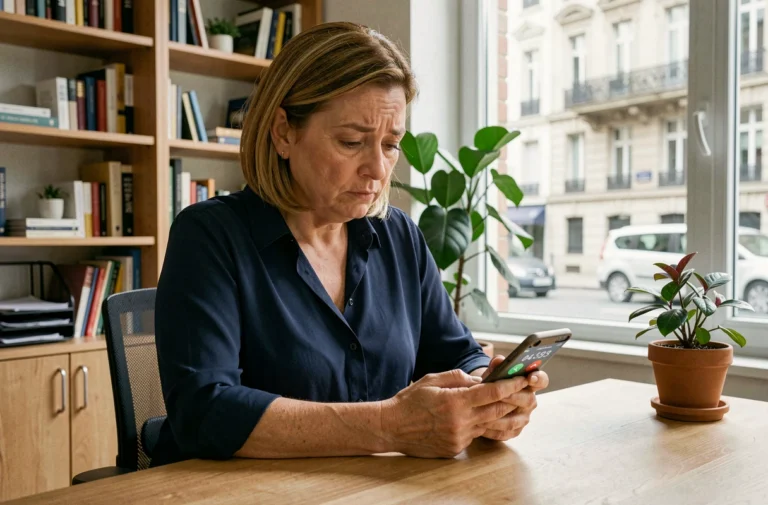
The French have more free time than they did a few decades ago, but this time does not automatically translate into satisfying leisure activities. The 2025 cultural outings barometer from the Ministry of Culture highlights significant social disparities in access to activities. Perceived lack of time, fear of crowds, cost: these barriers are well-documented and persistent.
Understanding these blockages allows us to rethink how we organize our leisure activities on a daily basis, far from generic lists of copied-and-pasted ideas.
Barriers to leisure access: what recent data reveals
The 2025 cultural outings barometer identifies three main obstacles: lack of time, declared lack of interest, and fear of crowds. These barriers do not affect everyone in the same way. The less privileged socio-professional categories often accumulate several of these barriers, widening the gap in actual practices.
This observation goes beyond the cultural sphere. A leisure activity requires a budget, travel, and sometimes family organization. When trying to enjoy leisure activities on a daily basis, the first step is to identify which of these barriers weighs most heavily in one’s own situation.
Several concrete avenues exist to circumvent these obstacles, and some cost nothing. Among the resources that list various activities suitable for different profiles, the leisure section of ComplexInfo offers a useful overview to guide choices without starting from scratch.
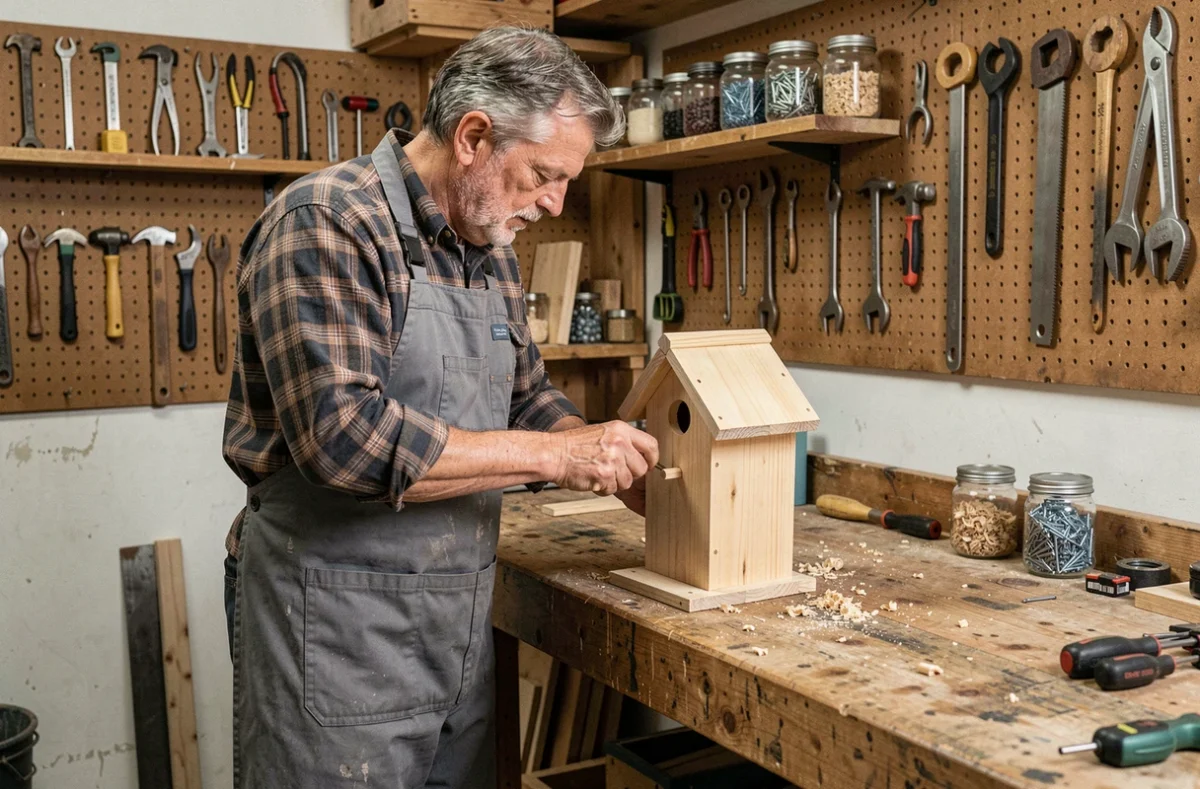
Libraries and media libraries: underestimated leisure spaces
Libraries and media libraries are experiencing a notable resurgence in attractiveness. According to Le Dauphiné, citing the Crédoc 2025 barometer and the Official Journal of October 9, 2025, these places are extending their hours, developing digital resources, and offering new services. Attendance has never been higher.
This renewal changes the very nature of these spaces. People no longer go there just to borrow a book. They work there, access digital resources, and participate in collective workshops. For families with children, it is a free, accessible, and regular activity.
What media libraries offer today
- Board game and video game spaces, often freely accessible, allowing for family outings without expense
- Thematic workshops (storytelling, coding introduction, musical discovery) tailored to different age groups
- Access to digital resources (computers, tablets, 3D printers in some establishments) that help bridge the digital divide for part of the public
To integrate a regular leisure activity into one’s schedule, media libraries represent a concrete option. Geographic proximity and free access eliminate two of the three main barriers identified by the Ministry of Culture.
Volunteering and associative engagement: a leisure activity struggling to regain its rhythm
The France Bénévolat-IFOP 2025 barometer shows that associative volunteering has not returned to its pre-health crisis level. The pandemic disrupted engagement habits, and the return is not happening naturally.
On the other hand, young people are becoming more involved. This increase is accompanied by a demand for more flexible formats: occasional missions rather than annual commitments, recognition of time given, participation in the association’s decisions. Organizations that adapt to this flexibility recruit better.
Volunteering as a daily leisure activity
Considering volunteering as a mere civic duty masks its leisure dimension. Participating in a heritage restoration project, supervising a children’s sports activity, leading a reading workshop: these experiences mobilize personal skills and create social connections.
Field feedback varies on this point: some associations struggle to retain their volunteers beyond a few weeks, while others observe a generational renewal that is promising. The key seems to lie in the quality of the welcome and the flexibility of the formats offered.
Physical activities and nature outings: evolving practices
Health-oriented sports are gaining ground in public discourse and local policies. The available data do not allow for a conclusion of a uniform increase in sports practice, but several signals indicate a widening of the audience: development of outdoor sports, growth of gentle activities (walking, yoga, cycling), and a multiplication of freely accessible facilities in urban spaces.
For families, nature outings remain among the most accessible leisure activities. They require neither reservation nor significant budget. The French Federation of Outdoor Activities promotes outdoor activities and nature sports suitable for all levels, from family hikes to more technical courses.
Choosing a regular physical activity
- Prioritize an activity compatible with time constraints: a thirty-minute walk during the week brings measurable health benefits and requires no equipment
- Explore local associative slots, often cheaper than private gyms, and that offer a motivating collective environment
- Test before committing: many clubs offer free introductory sessions at the beginning of the season
The challenge is not to find the perfect activity, but to find one that fits into daily life without becoming an additional burden. A leisure activity that is abandoned after three weeks is not a leisure activity.
Cultural outings, museum visits, family games, or volunteering experiences share a common point: they work when they integrate into a lifestyle rather than adding to it. Free time is not as scarce as it seems. What is sometimes lacking is an organization that makes it available for something other than screens.