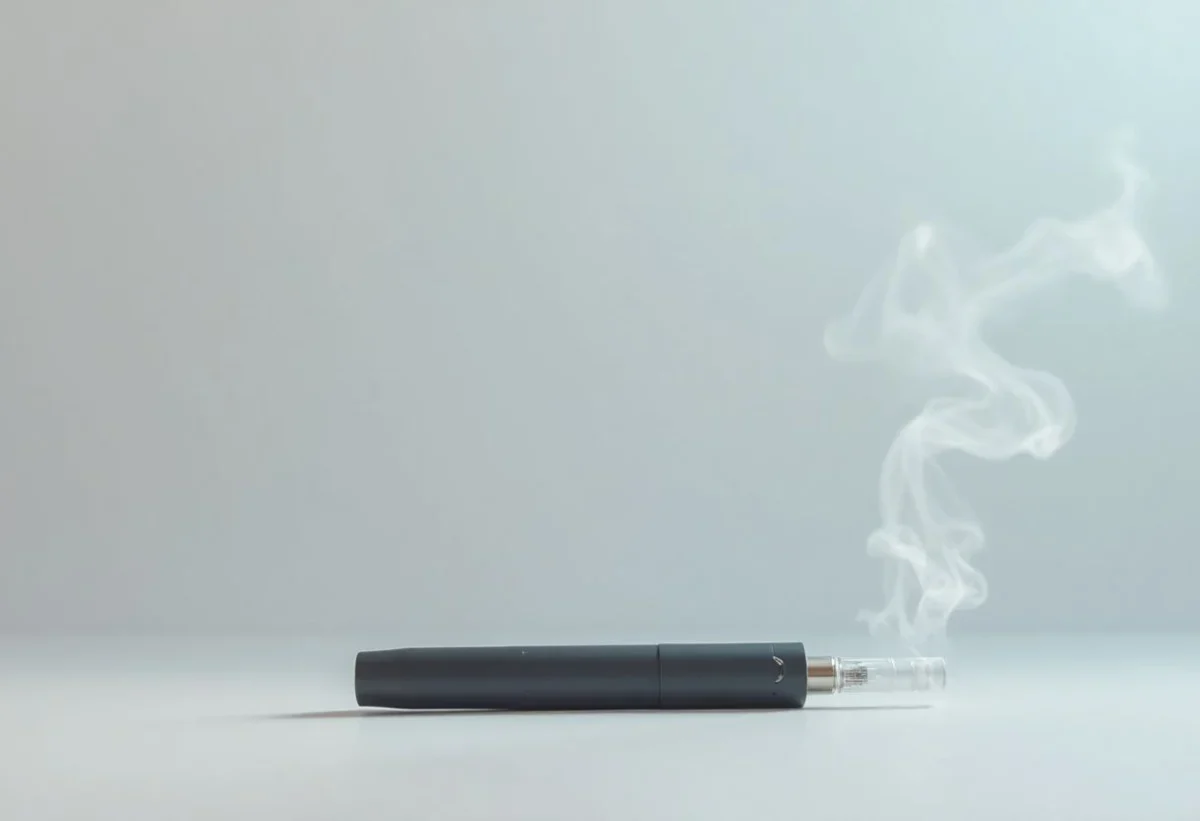
The puff, this novelty that is making headlines, has managed to carve out a prominent place in the world of vaping, generating as much curiosity as controversy. While vaping enthusiasts seek more practical alternatives to traditional devices, the puff presents itself as an all-in-one solution, with its compact design and simplified use. This small revolution, often perceived as a trendy accessory, sparks heated debates about its implications for health and the environment. By offering an unprecedented vaping experience, the puff redefines the norms and questions established beliefs. At the heart of this trend, essential questions emerge: what truly distinguishes the puff from other vaping devices? Why does it generate so much interest, and what are the stakes associated with its growing use? Does the puff represent a mere ephemeral trend or a significant turning point in how we view vaping in our daily lives?
Origins and Characteristics of the Puff
The puff was born from a desire to simplify vaping while making it accessible to a broader audience. Its design is based on principles of simplicity and efficiency. By offering a plug-and-play approach, it stands out distinctly from traditional vaping devices.
The characteristics of the puff are numerous and varied. First, its compact format makes it an ideal companion for on-the-go use. Users particularly appreciate its lightness and discretion. Next, the absence of buttons and complex settings makes its use intuitive. Finally, each puff is pre-filled with e-liquid, eliminating the hassles associated with refilling. This ease of use is one of the major arguments explaining its meteoric success.
Impact on Health and the Environment
The puff, as a consumer product, raises legitimate questions regarding its effects on health and the environment. Opinions vary and studies are multiplying, but a few elements stand out from this research.
- Health: although the puff is perceived as less harmful than traditional cigarettes, it is not without risks. The ingredients contained in the e-liquid, particularly nicotine, can lead to addiction. It is therefore essential to consume these devices in moderation.
- Environment: puffs, being disposable products, pose environmental challenges. Their production and disposal generate waste, particularly plastic, which can have a negative impact on our ecosystem.
Popularity and Criticism of the Puff
The puff has captivated a wide audience thanks to its undeniable advantages. Its popularity is largely due to its practicality and the wide range of available flavors. Young adults, in particular, see it as an attractive alternative to traditional vaping methods.
- Popularity: Targeted marketing campaigns and word-of-mouth have significantly helped to enhance the puff’s notoriety. Users share their experiences on social media, creating a genuine buzz around this product.
- Criticism: Despite its success, the puff is not free from criticism. Some denounce its nature as a disposable e-cigarette that encourages waste and raises ethical questions about overconsumption. Others highlight the health risks associated with excessive and unregulated use, particularly among young people.
The Future of the Puff in the Vaping World
As the puff continues to gain popularity, its future in the vaping world is a question that excites and divides. Several scenarios are possible, each with its own implications.
Technological advancements could make puffs more environmentally friendly. Research is focusing on the development of biodegradable materials and effective recycling systems. The industry, aware of environmental challenges, could thus transform these devices into more sustainable objects. Furthermore, evolving regulations could influence the design and marketing of puffs. Legislators, concerned about protecting consumers, may impose stricter standards to ensure user safety. Finally, the social perception of the puff could evolve. If this product manages to overcome criticism and adapt to new market demands, it could become a key player in the vaping sector.
The puff, despite the debates it generates, leaves no one indifferent. By redefining the codes of vaping, it invites us to reconsider our relationship with consumption and technology. Its future will largely depend on manufacturers’ ability to address the environmental and health challenges it poses.