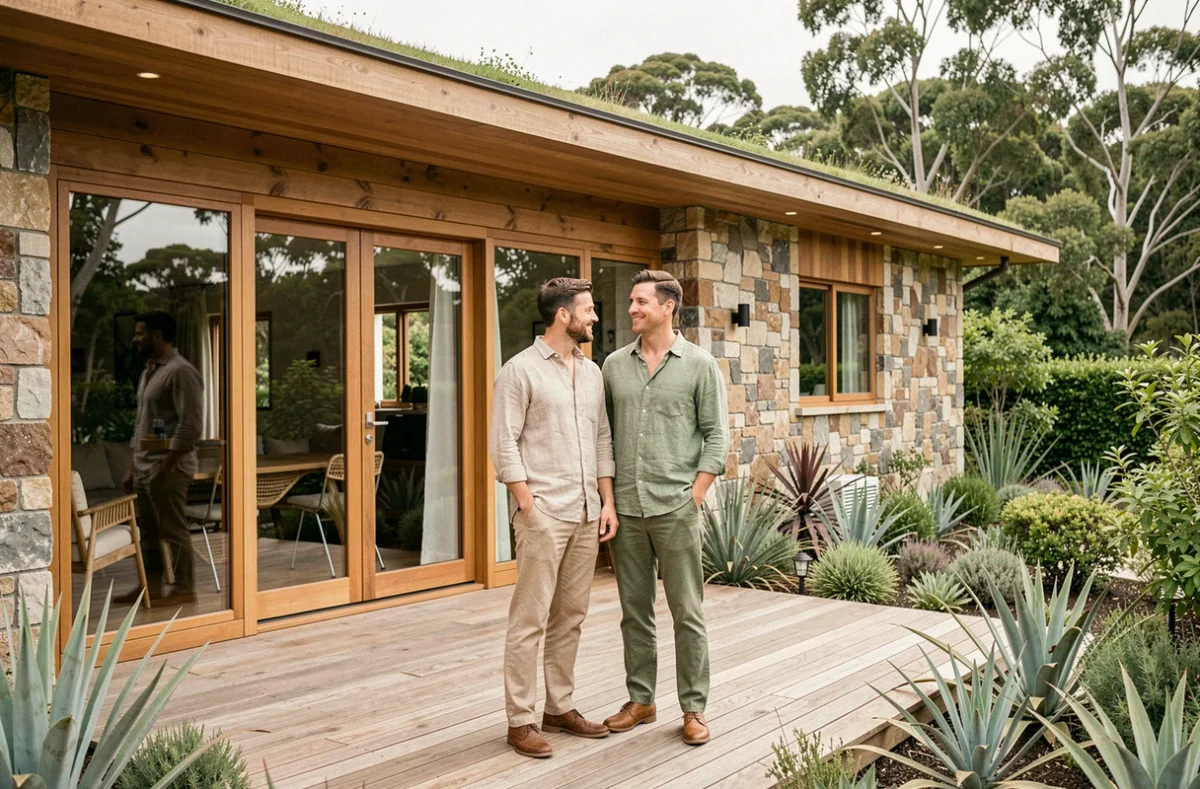
An ecological real estate purchase refers to the acquisition of a home designed to limit its environmental impact throughout its entire life cycle, from the manufacturing of materials to daily use. This type of property is distinguished by specific construction choices: high-performance insulation, controlled ventilation, the use of bio-based materials, and a low carbon footprint. Understanding these technical criteria allows for the evaluation of what a sustainable habitat concretely changes, both for the health of the occupants and for the building’s energy consumption.
Carbon footprint of materials: what RE2020 has changed for real estate purchases
The environmental regulation RE2020, applicable to new constructions, has introduced a break from previous standards. It does not only measure the energy consumption of the housing in operation. Its indicators also include the carbon footprint of the materials and equipment used during construction.
Two distinct indicators coexist: the carbon related to the construction phase (manufacturing, transportation, implementation of materials) and that associated with the energy consumed during the building’s use. This distinction encourages comparing homes based on their complete life cycle, rather than relying solely on the energy bill or the presence of a label.
For a buyer, this means that a new home for which the building permit was submitted after the entry into force of RE2020 meets stricter environmental requirements. The date of the permit submission determines the applicable regulatory version: it is therefore useful to ask the developer which regulation applies to the project.
Consulting the compliance certificates remains necessary. Considering an ecological purchase with Nature et Matériaux allows for a focus on properties whose bio-based materials meet these life cycle requirements.
Indoor air quality: a well-insulated home is not automatically healthy
The confusion between energy performance and air quality remains common. A very well-insulated home reduces thermal losses, but without appropriate ventilation, it can concentrate indoor pollutants.
The second national campaign of the Indoor Environmental Quality Observatory (OQEI), conducted between 2020 and 2023 in 571 homes, shows an overall improvement compared to the 2003-2005 campaign. However, some pollutants still exceed reference values in part of the housing stock, notably radon, formaldehyde, and nitrogen dioxide.
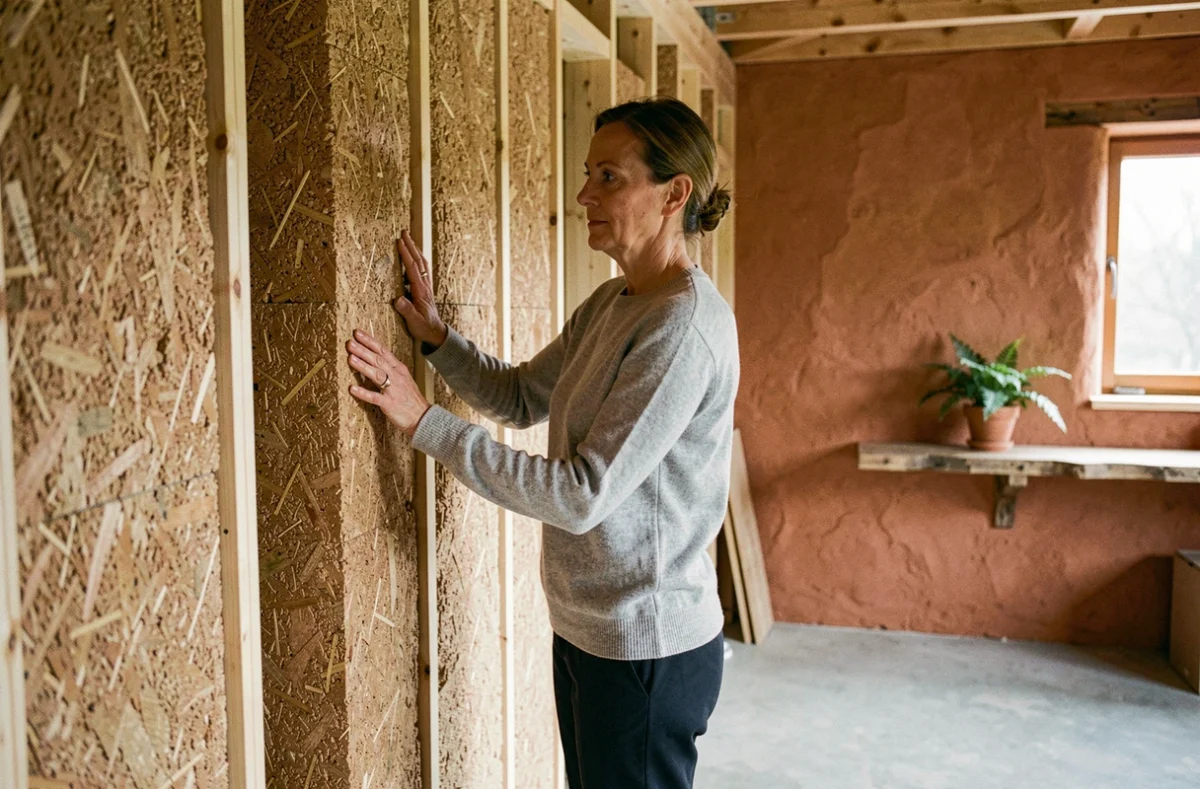
Formaldehyde mainly comes from particle boards, adhesives, and synthetic coatings. In an ecological habitat, the choice of low-emission volatile organic compound materials (mineral paints, wood fiber insulation, lime-based coatings) directly reduces this exposure. Controlled mechanical ventilation with double flow, common in ecological constructions, renews the air without wasting heat.
Three criteria allow for the assessment of a home’s health quality before purchase:
- The nature of the interior finishing materials (floors, paints, adhesives) and their level of VOC emissions, indicated by the regulatory label ranging from A+ to C
- The type of ventilation installed and its actual flow rate, verifiable during the technical diagnosis
- The presence or absence of radon risk in the geographical area, consultable on public maps
Energy consumption and thermal comfort: measurable gains of a sustainable habitat
Ecological construction aims for a high-performance thermal envelope that limits both heating needs in winter and summer overheating. External insulation, triple-glazed windows, and the thermal inertia of heavy materials (raw earth, monomur brick) contribute to stabilizing indoor temperature.
A well-designed ecological home significantly reduces the energy bill compared to a conventional building. This reduction comes less from the presence of sophisticated equipment than from the quality of the envelope: a well-insulated wall with breathable materials (which allow water vapor to migrate) limits thermal bridges while regulating ambient humidity.
Summer comfort is an underestimated issue. Bio-based materials like wood fiber or cellulose wadding have a high thermal phase shift: outside heat takes several hours to penetrate the wall. This delay reduces the need for air conditioning, which has a considerable energy and environmental impact.
Bio-based materials and sustainable construction: concrete selection criteria
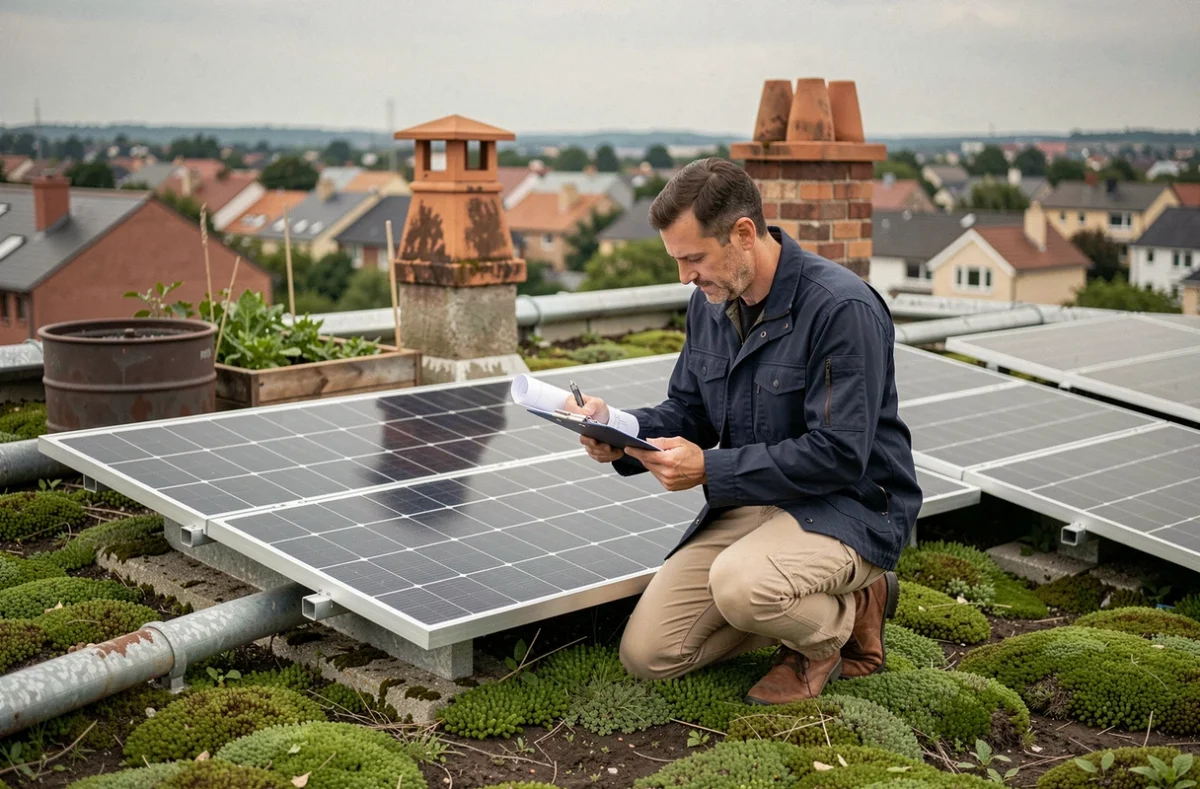
The term “bio-based materials” encompasses materials derived from plant or animal biomass: wood, straw, hemp, sheep wool, cork, cellulose wadding. Their environmental interest lies in their ability to store carbon during their growth, which partially offsets emissions related to their processing.
Not all bio-based materials are equal. Their relevance depends on the specific application:
- For roof insulation, wood fiber and cellulose wadding offer a good compromise between thermal performance, summer phase shift, and moisture resistance
- For wall insulation, hemp combined with lime (hemp concrete) ensures both insulation and moisture regulation but requires thicker wall sections
- For load-bearing structures, solid wood or glued laminated timber remains the most common bio-based material, with a carbon footprint significantly lower than that of reinforced concrete
- For interior finishes, lime or clay plasters contribute to moisture regulation and emit very few pollutants
When purchasing new, verifying the exact nature of the materials used (and not just the mention “ecological” in the sales brochure) remains the most reliable approach. Environmental and health declaration sheets (FDES), available in the INIES database, detail the impact of each product over its entire life cycle.
An ecological home is not a marketing category. It is a set of verifiable technical choices, from the building permit to the finishing materials, that determine both energy performance, air quality, and the durability of the structure. Reading the RE2020 certificates, the FDES, and the ventilation diagnosis provides more reliable indicators than a label displayed on a brochure.