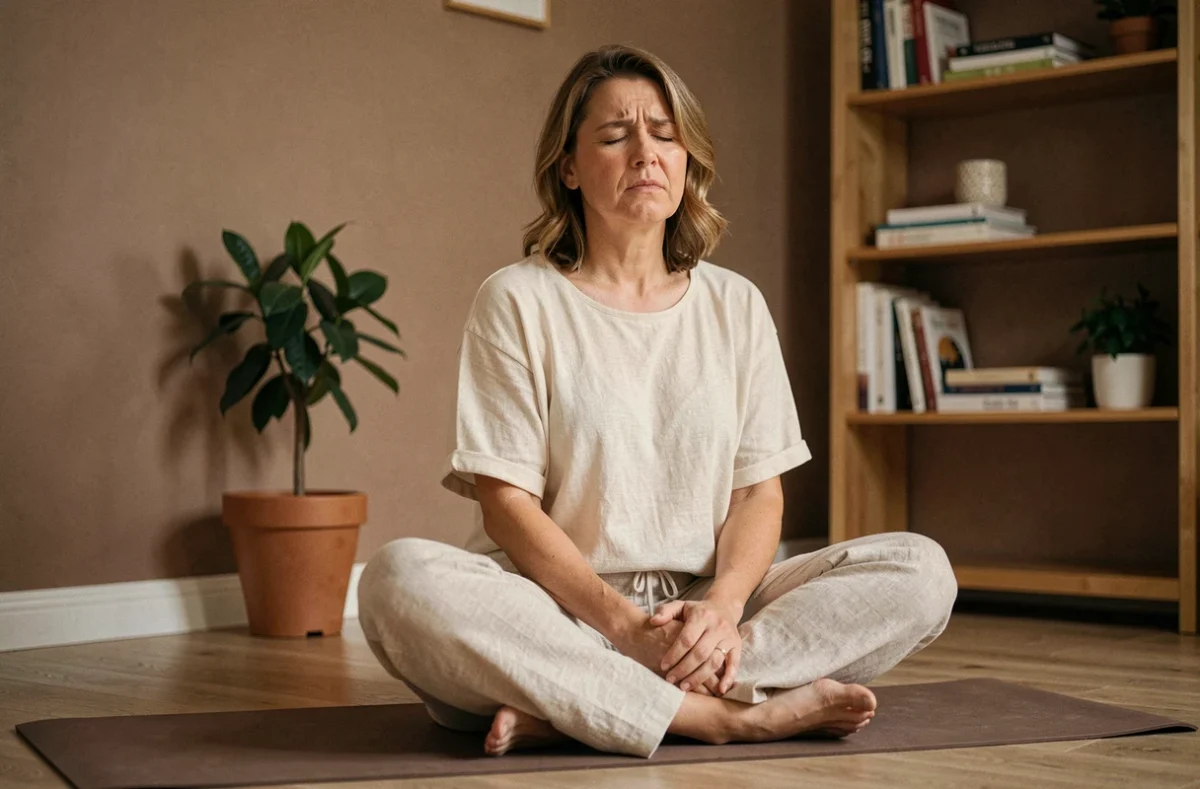
Sophrology is increasingly prominent in the wellness offerings in France. However, the title of sophrologist is not protected by any state diploma, professional order, or registration in the shared directory of health professionals (RPPS). This regulatory ambiguity opens the door to situations where the practice can produce the opposite of what it promises.
Sophrology and legal framework: an unregulated profession
In theory, anyone can put the word “sophrologist” on a sign or a website. No authority verifies the number of training hours or the pedagogical quality of the curriculum followed. Private certifications exist (RNCP, federation labels), but they remain optional.
The direct consequence affects the safety of the individuals being supported. A poorly trained practitioner can delay necessary medical care by leading one to believe that relaxation is sufficient in the face of symptoms that require clinical diagnosis. The risk does not come from the method itself, but from the lack of safeguards at the entry of the profession.
The French law n° 2024-420 of May 10, 2024, has also created a specific offense targeting the incitement to abandon or refrain from care. This legislative evolution directly concerns wellness practitioners who present their sessions as an alternative to medical treatment. Several points developed in the articles on Soin Et Compassion detail these regulatory issues and their concrete implications for clients.
Inserm report on sophrology: still fragile evidence
The Inserm report published on February 20, 2021, based on an evaluation conducted in 2020, is the most cited French reference. Its conclusions deserve to be read unfiltered.
The available studies were too few and too heterogeneous to confirm or exclude the effectiveness of sophrology on the disorders it claims to alleviate (stress, pain, sleep disorders). Even more concerning: tolerance and adverse effects were also insufficiently documented.
This finding does not mean that sophrology is dangerous. It means that no one can assert with certainty that it is risk-free, due to the lack of solid data. Field feedback varies on this point: some practitioners report clear benefits for their clients, while the scientific literature fails to isolate what pertains to the method and what pertains to relational or placebo effects.
What the lack of data means for the client
A person suffering from severe anxiety disorders, depressive symptoms, or chronic pain has no evidence-based guarantee that sophrology will improve their condition. If this person chooses sophrology instead of psychological or psychiatric follow-up, the risk of lost opportunity becomes real.
Sophrology cannot diagnose or treat an illness. This is a legal framework, not an opinion. Any practitioner who implies otherwise crosses a line that the May 2024 law now explicitly penalizes.
Adverse effects during and after a sophrology session
Directed breathing exercises and deep relaxation are not trivial from a physiological and psychological standpoint. Several types of reactions can occur:
- Hyperventilation related to breathing that is too intense or too long, causing dizziness, tingling, and a feeling of chest tightness. These manifestations are generally brief but can be anxiety-provoking, especially in individuals already prone to panic attacks.
- An unexpected emotional release. Muscle relaxation and the lowering of mental vigilance can bring back painful memories or repressed emotions. Without training in psychopathology, the sophrologist lacks the tools to contain this discharge.
- A paradoxical anxiety triggered by the relaxation itself. Some individuals accustomed to a state of constant tension experience relaxation as a loss of control, which temporarily exacerbates their anxiety instead of reducing it.
- Marked fatigue in the hours following the session, sometimes accompanied by headaches or a sensation of floating.
These effects are not systematic. They concern more individuals with psychiatric histories, untreated traumas, or identified psychological fragility. The problem arises when the practitioner does not ask any preliminary questions about the client’s health status.

Drifts and influence: the risk of substituting conventional care
The heaviest risk is not physiological. It lies in the care trajectory of the client. A sophrologist who encourages, even implicitly, the cessation of medication or postponement of a medical consultation exposes the person to a deterioration of their condition.
The most documented situations by vigilance organizations (notably Miviludes) concern practitioners who combine sophrology with other unconventional practices and gradually build a discourse of distrust towards medicine. The shift towards influence rarely occurs abruptly, but through a succession of suggestions that isolate the client from their usual care pathway.
Concrete warning signs to recognize
Some indicators can help identify a problematic practice:
- The practitioner discourages discussing the sessions with your primary care physician.
- They propose a very high number of sessions without a defined objective, creating a form of dependency.
- They make promises of healing for diagnosed pathologies (cancer, severe depression, neurological disorders).
- They refuse to work in conjunction with a health professional.
A competent sophrologist refers to a doctor as soon as the situation exceeds their scope of competence. This limit is the first criterion of seriousness to check before engaging in support.
Sophrology can provide a useful complement in managing stress, breathing, or preventing certain functional disorders. This potential benefit does not exempt one from active vigilance regarding the choice of practitioner, the transparency of their training, and maintaining the link with conventional medical care. The available data do not yet allow for a clear boundary between benefit and risk, making this vigilance all the more necessary.