Growing sweet potatoes may seem simple, but achieving a bountiful and quality harvest requires finesse and knowledge. These sweet and nutritious tubers thrive in specific heat conditions and need careful attention throughout their growth cycle. Gardeners and farmers are constantly seeking methods to maximize their yield. This process involves wise choices, from soil preparation to harvesting, including adequate irrigation and pest and disease control. Tips for successful sweet potato cultivation are the result of experiences and exchanges among gardening enthusiasts.
Optimizing Growing Conditions for a Bountiful Sweet Potato Harvest
The sweet potato, a perennial tuberous plant rich in vitamins and minerals, flourishes under certain climatic conditions. Native to South America, these tubers require a warm climate to thrive. Therefore, growing sweet potatoes in a greenhouse presents a viable alternative in regions with cooler temperatures. Ensure to provide an environment where the temperature remains between 20 and 25°C to promote germination and plant development.
Germination is the first fundamental step in the sweet potato’s life cycle. Three methods stand out: soaking the tubers, planting in potting soil, or taking cuttings. Each of these techniques aims to stimulate the growth of roots and shoots under optimal conditions. Examine the practices that best align with your growing setup and promise to enhance life in your garden.
Once germination is successful, it’s time for planting. The yield of sweet potatoes per plant depends on spacing and soil fertility. Proper spacing allows the roots to spread adequately and absorb the necessary nutrients for their growth. Incorporate organic matter into the soil to enrich its structure and water retention capacity. This step strengthens the plants and promotes a bountiful harvest.
Vigilance is essential throughout the growth cycle. Watch for signs of diseases and pests, and intervene promptly with appropriate treatments. Prevention is often more effective than treatment, so implement prophylactic measures such as crop rotation and the use of insect traps. Protected sweet potato cultivation promises to reward you with a generous harvest, a reflection of conscientious and informed work.
Advanced Strategies for Harvesting and Storing Sweet Potatoes
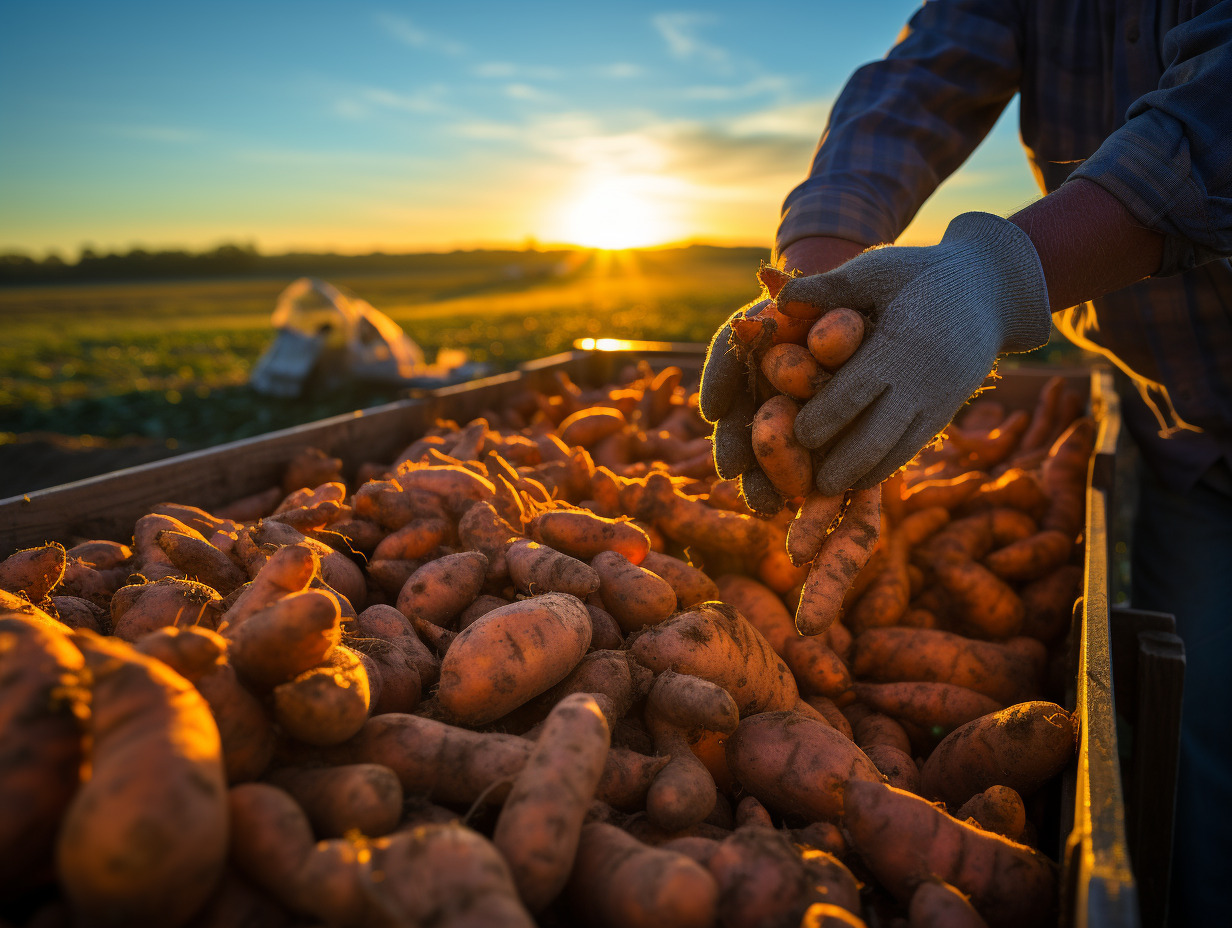
To achieve an optimal harvest, observe the foliage of your plants. When it begins to yellow, usually between September and October, it’s time to harvest. This delicate and crucial phase requires care and precision to preserve the integrity of the tubers. Carefully extract the sweet potatoes from the soil, avoiding any injuries that could make them vulnerable to diseases during storage.
After harvesting, sweet potato tubers must be prepared for storage. Sun drying is recommended to reduce their moisture content, which helps in long-term preservation. Sweet potatoes should then be stored in a cool, dry place, away from any moisture sources. This step is fundamental: proper storage extends the lifespan of your tubers while preserving their nutritional and taste qualities.
Consuming harvested sweet potatoes offers a vast culinary horizon. Whether as fries, baked, or mashed, the preparation options are numerous. Diversify the uses of this generous harvest to fully appreciate the richness of this tuber with multiple benefits. Thoughtful management of the harvest and storage of sweet potatoes ensures not only a varied diet but also satisfaction from every effort invested in their cultivation.