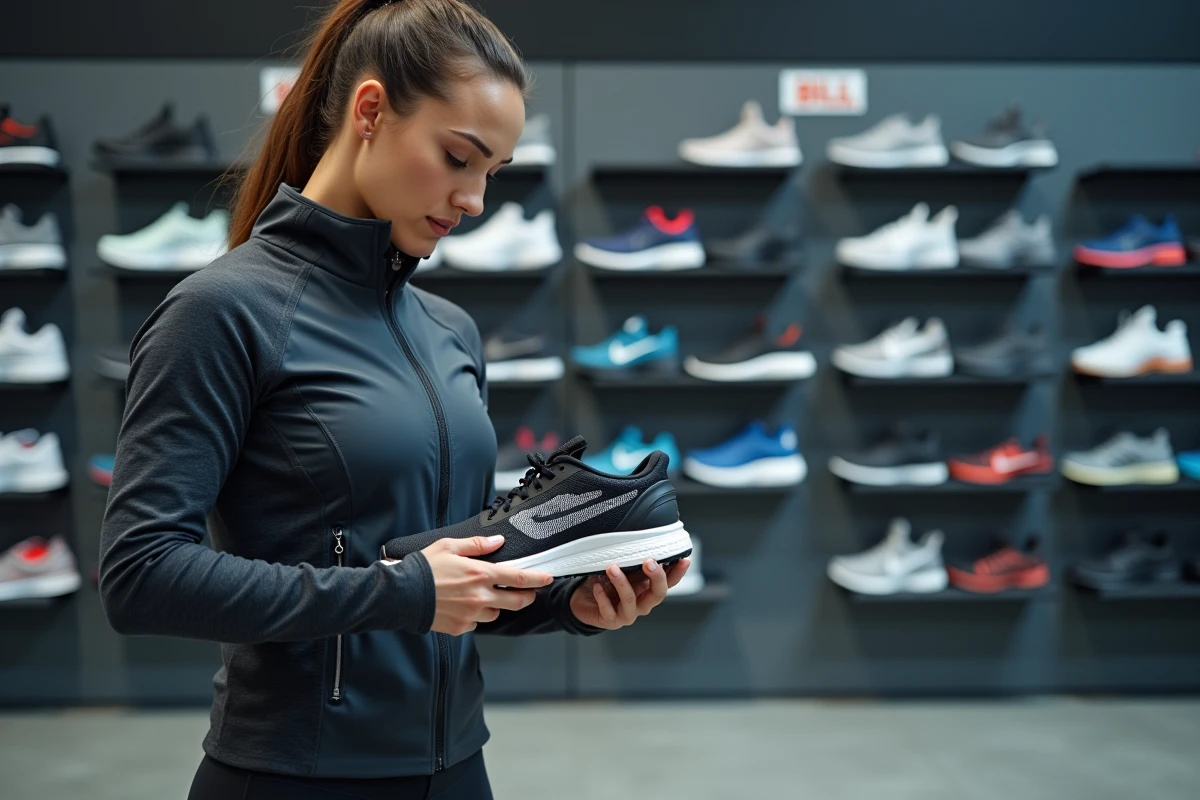
The sports equipment market has changed its logic. A few years ago, choosing equipment meant selecting an object suited to a discipline. Today, the criteria for selection include digital compatibility, regulatory durability, and biometric tracking. This shift makes comparisons between products more complex, and purchasing errors more costly.
Software Compatibility and Digital Ecosystem: The Invisible Criterion
Recent home fitness equipment is no longer just about its mechanics. Rowers, stationary bikes, elliptical trainers: most now come with training programs, connections to third-party applications, and real-time usage tracking.
This shift towards hybrid equipment (mechanical and software) changes the way we evaluate. Before assessing resistance or seat comfort, one must check if the device remains functional when the publisher stops updating its application. Several users have reported equipment becoming partially unusable after the manufacturer ceased software support.
The question to ask before purchasing connected equipment is: does the device function fully without an internet connection? If the answer is no, the longevity of the investment depends on a third-party company, not on the mechanical quality of the product. Brands like Profil Sport allow for comparisons of technical and software features before making a commitment.
Biometric Data and Training Load: Adapting Equipment to Your Body
The American College of Sports Medicine, in its global fitness trends survey published for 2025, ranks the use of biometric data among the major developments. Heart rate, sleep quality, cumulative training load: these indicators are now used to adjust not only the program but also the choice of equipment.
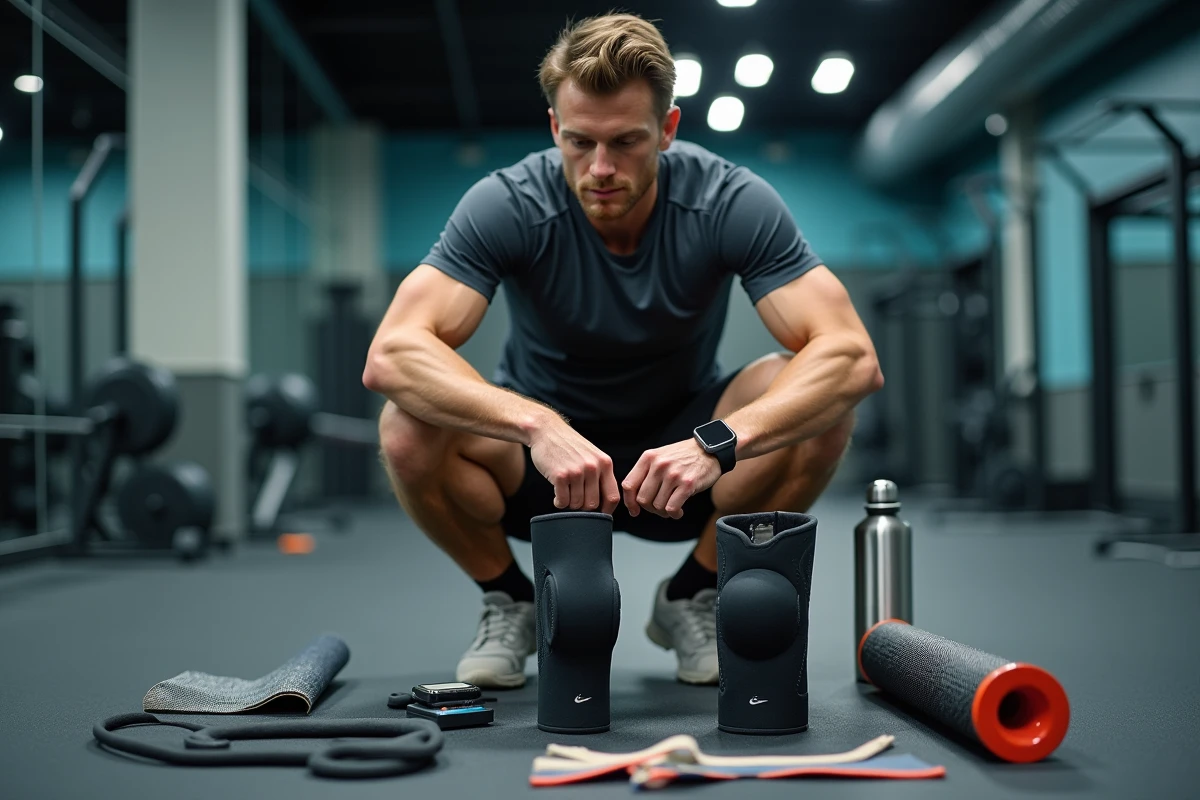
A practitioner who accumulates resistance band weight training sessions and bodyweight exercises does not have the same needs as a regular runner. The former seeks versatility and modular accessories. The latter needs cushioning suited to their stride and a reliable sensor to monitor their recovery.
Cross-referencing recovery data with the type of equipment used reduces the risk of overtraining. Field feedback varies on this point: some trainers consider these sensors reliable, while others point out significant margins of error in consumer models. Caution suggests using this data as trend indicators, not as medical measurements.
Repairability and Lifespan: What European Regulation Changes
European regulation now encourages evaluating sports equipment from the perspective of repairability and durability. Availability of spare parts, ease of disassembly, expected lifespan of components: these criteria, long ignored in buying guides, are becoming decisive for medium-term investment.
In practical terms, this means that a rower or elliptical bike sold at a lower price but whose wear parts (cables, bearings, belt) are unavailable after two years will cost more in the long run. The available data does not yet allow for precise ranking of brands on this criterion, but several points deserve verification:
- The guaranteed availability of spare parts for a duration announced by the manufacturer
- The existence of a network of authorized repairers or official maintenance tutorials
- The compatibility of components with generic parts (screws, bolts, standard cables)
A repairable piece of equipment over five years costs less than a disposable device replaced every two years. This logic applies to both large devices (rowers, ellipticals, stationary bikes) and strength training accessories like adjustable benches or pulley systems.
Choosing Sports Equipment According to Your Real Physical Goals
Competitors often address the question of goals in the form of a generic list: cardio, weight loss, muscle strengthening. In practice, the relevant distinction lies elsewhere.
The real question concerns the intended frequency and target intensity. A practitioner training twice a week at moderate intensity does not need the same level of robustness as an athlete who completes five weekly sessions. The frequency of use determines the level of quality more than the type of exercise.
For versatile training focused on muscle strengthening and cardio, some equipment offers a better space/results ratio:
- Resistance bands cover a wide range of exercises for the entire body, from targeted muscle work to active stretching
- The rower simultaneously engages the muscles of the upper and lower body while working on cardiovascular endurance
- A set of adjustable dumbbells replaces a dozen pairs of fixed weights and adapts to progression over several months

On the other hand, for a goal centered on pure endurance, the elliptical bike or stationary bike remains more suitable, especially for those seeking low-impact cardiovascular work.
Physical Trials and User Feedback: Two Underestimated Filters
Technical sheets say nothing about the user experience. The seat height of a bike, the smoothness of a rower’s pull, the bounce of a sports shoe: these parameters can only be verified through testing. Specialized stores that offer real-condition testing provide information that online comparisons cannot supply.
Online reviews, on the other hand, gain reliability when filtered by duration of use. A review posted after two weeks of use says nothing about the durability of materials or mechanical stability after several months. Seeking feedback after six months or a year of use gives a more accurate picture of the actual durability of the equipment.
The choice of high-performance sports equipment today relies on criteria that traditional guides overlook: software longevity, repairability, coherence between training frequency and quality level. A thoughtful purchase on these three axes avoids most disappointments observed after a few months of use.