A renovation project that goes wrong almost always starts with a technical framing defect upstream, not with a poor choice of paint. We regularly observe that private project owners underestimate recent regulatory constraints, particularly regarding heating systems and eligibility thresholds for aid. Before signing any quote, the decision-making sequence deserves to be recalibrated.
Regulatory constraints on heating systems in renovation
The logic of public aid has shifted towards the electrification of homes. For a major renovation project in a single-family home, retaining gas or oil heating now disqualifies the project from the main funding schemes. Replacing it with a decarbonized system (heat pump, connection to a heat network) is no longer an option among others; it is a prerequisite.
This orientation changes the hierarchy of work. Where many guides advise starting with insulation, we recommend first validating the heat production scenario. The sizing of insulation, the choice of ventilation, and the overall budget depend directly on the chosen system.
Before carrying out your work with Habitat Guides, ensure that your thermal scenario is compatible with the current aid criteria. A signed quote for a pellet stove while the rest of the home remains heated with gas may be enough to have the entire file rejected.
MaPrimeRénov’ since September 2026: what the reduction in aid imposes on the budget

Several bonuses have been removed, particularly those related to jumping four energy performance classes and exiting energy sieves. The trend is clear: the share of self-financing is increasing for each project. A homeowner who budgeted their work based on the 2024 scales risks a significantly higher remaining charge.
We recommend checking the exact ceilings and quotas before finalizing any financing plan. Eligible amounts and covered actions sometimes change from one semester to another.
The direct consequence on project management:
- Prioritize items based on what remains eligible for aid (wall insulation, replacement of fossil boilers) and what is no longer eligible
- Plan for a cash margin of at least several months between the start of work and the actual payment of the grant
- Require the study office or the RGE craftsman to provide an updated simulation, not a quote based on old scales
A renovation project conceived as a succession of isolated “actions” (a bit of insulation here, a window change there) no longer allows for triggering significant aid. Only a large-scale renovation with a gain of at least two energy performance classes opens access to the most interesting funding envelopes.
Technical order of interventions on an interior renovation site
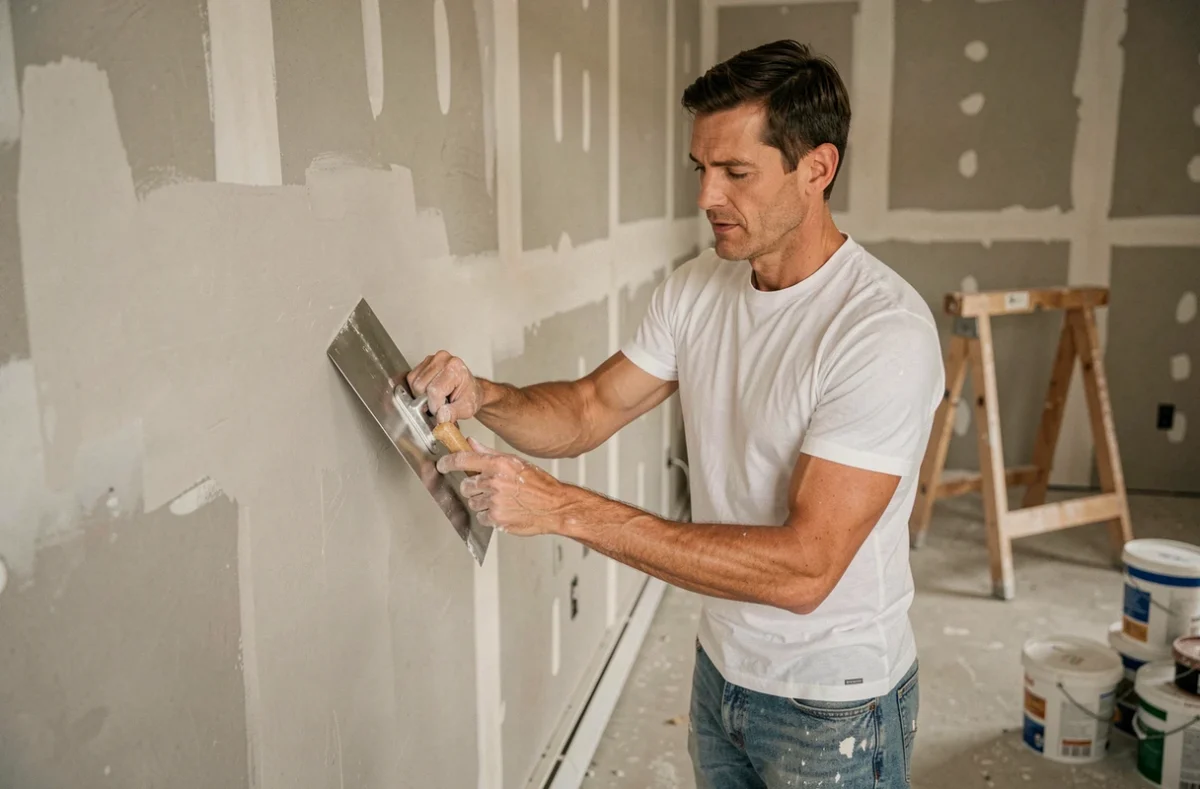
The order of trades on a site is not a matter of practical organization; it is a technical constraint. Intervening on interior fittings (kitchen, bathroom, coverings) before completing the shell and complying with network standards generates costly rework.
Sequencing of lots in renovation
Demolition and structural work come first: openings, structural reinforcements, moisture treatment. Next come the networks (electricity, plumbing, ventilation), then insulation, and only after that the finishes and layout of living spaces.
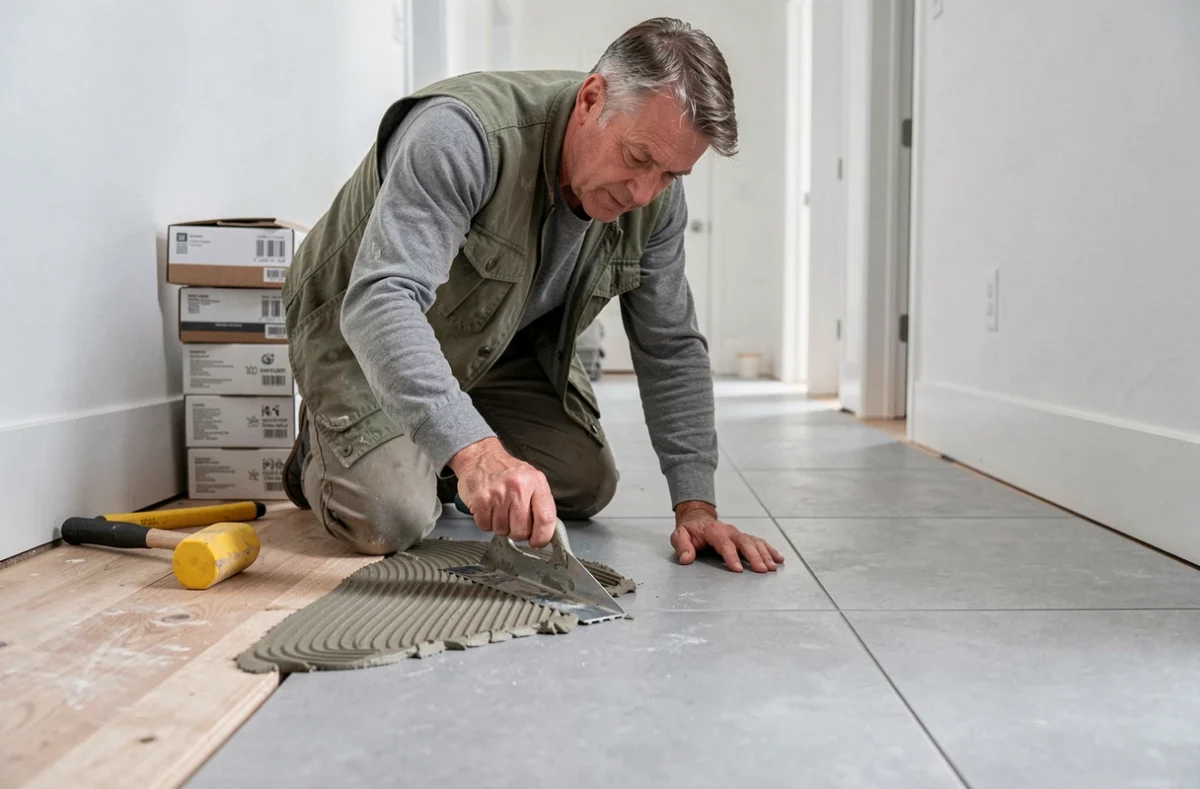
Never install a floor covering before the insulation and plumbing work is completed. Water damage on a new parquet floor or a wall repair after tile installation represents an average additional cost that no one wants to bear.
In projects where the kitchen and bathroom are renovated at the same time as the thermal envelope, we observe a recurring friction point: the plasterer and the kitchen installer work in the same area, often without coordination. Imposing a lot-based schedule with intermediate delivery dates avoids most conflicts.
Choice of insulation materials: balancing thermal performance and site constraints
The choice of an insulating material is not just about comparing thermal conductivity coefficients. In renovation, constraints of available thickness, moisture management, and compatibility with existing structures often take precedence over the raw performance of the material.
- In internal insulation with limited available thickness, polyurethane panels offer the best thermal resistance per centimeter, but their permeability to water vapor is almost zero, which requires rigorous treatment of thermal bridges
- Biosourced insulators (wood fiber, cellulose wadding) better regulate humidity and are suitable for old stone or rammed earth buildings, where the risk of condensation in the walls is the primary factor of pathology
- External thermal insulation remains the most effective solution for eliminating thermal bridges, but it alters the appearance of facades and may require prior declaration in protected areas
In a comprehensive energy renovation project, the thermal study office must produce a dynamic simulation that incorporates the hygroscopic behavior of the walls, not just a static calculation of thermal resistance. A poorly chosen insulator degrades the structure in a few years.
Selection of the contracting company: checks that no one does
The mention RGE (Recognized Guarantor of the Environment) is mandatory to access aid, but it does not guarantee the quality of execution. We recommend checking three points that are rarely verified by individuals.
First, the ten-year insurance certificate must precisely cover the lots specified in the quote. A company insured for the installation of joinery is not necessarily insured for attic insulation. Next, ask for references of similar projects completed over a year ago, not just photos of recent achievements. Finally, demand a contractual schedule with penalties for delays: without such a clause, deadlines systematically slip.
The quote itself deserves a technical reading. Check that the materials are specified by their manufacturer reference and thickness, not by a generic mention like “high-performance insulation.” A vague quote leaves the door open for material substitutions during the project.
The success of a renovation and development project depends less on the finishes than on the rigor of the initial framing. A validated thermal scenario, a budget aligned with the aid actually available, and a respected technical sequencing eliminate most cost overruns and defects.